Aviation Switching Module – NSN 4920-01-250-2696 (AS-IS / Untested): Aircraft Switching Equipment for Parts or Evaluation
Aviation Switching Module – NSN 4920-01-250-2696 (AS-IS / Untested): Aircraft Switching Equipment for Parts or Evaluation
Blog Article
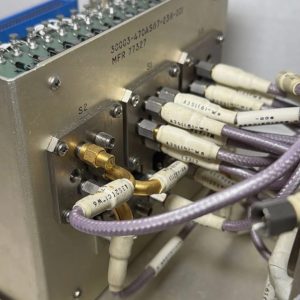
The Aviation Switching Module – NSN 4920-01-250-2696 (AS-IS / Untested) is a specialized aerospace electrical component offered for professional evaluation, restoration, testing, parts recovery, collection, or another suitable non-assumed application.
An Aircraft Switching Module may interact with test equipment, aircraft systems, electrical circuits, or support hardware, while an Aerospace Switching Module should not be energized without suitable technical information.
Every Aircraft Power Switching Module or Aircraft Signal Switching Module should be assessed individually because connectors, voltage, current, control logic, and system compatibility can vary significantly.
An Aircraft Switching Unit can support specialized signal or circuit management, but an Aerospace Power Distribution Module or Aviation Power Control Module may use different internal architecture and electrical requirements.
Overview of the Aviation Switching Module
The seller should provide clear photographs of every label, marking, connector, switch, control, mounting point, enclosure surface, and included accessory.
Complete identification increases the value of the Aviation Switching Module for restoration, research, inventory management, or component evaluation.
Understanding AS-IS and Untested Condition
The condition description should be understood as a limitation rather than a suggestion that the unit is probably operational.
A current-limited and controlled test setup may be appropriate when selected by qualified personnel.
Evaluating Aircraft Switching Functions
The actual role depends on internal circuitry, switch configuration, connector pinout, associated system design, and technical documentation.
Each visible feature should be photographed and described without assuming its electrical purpose.
Aerospace Switching Module Construction
Age, handling, impact, humidity, temperature changes, contamination, and long-term storage can affect both mechanical and electrical condition.
Proper connector protection preserves the Aerospace Switching Module for future testing or restoration.
Electrical Switching Module Condition
External condition cannot confirm the state of hidden relays, contacts, circuit boards, wiring, or internal components.
If the enclosure is opened for professional inspection, the process should be documented with photographs and organized hardware control.
Aircraft Electrical Control Applications
An Aviation Electrical Control Module can coordinate or select electrical functions within a compatible aviation or support-equipment system, depending on its documented design.
Missing labels or faded markings can make operation difficult and may increase the risk of improper testing.
Power Switching Module Inspection
A switch that moves normally may still contain burned, corroded, welded, or high-resistance electrical contacts.
Missing covers or barriers may expose conductive points and increase handling risk.
Choosing an Aerospace Electrical Control Unit
Its internal design may include electromechanical components, solid-state devices, wiring assemblies, circuit protection, or specialized connectors.
Detailed records support the long-term value of the Aerospace Electrical Control Unit.
Signal Switching Module Inspection
An incorrect connection may damage sensitive electronics even when the module itself receives little power.
Missing or corroded bonding components may affect noise, interference, or reliability.
Control Module Compatibility Review
Associated wiring, power supplies, interfaces, switches, displays, sensors, test sets, or aircraft equipment may be required for meaningful operation.
A matching NSN or housing does not always confirm identical internal configuration when modifications or supersessions exist.
Choosing an Aircraft Switching Unit
A complete but untested unit may have different value from an incomplete component known to contain damage.
The equipment should remain clearly labeled as untested and unsuitable for operational installation without evaluation.
Aerospace Circuit Management
Professional evaluation helps determine whether the unit serves a power-distribution role or another specialized function.
Additional mounting holes should not be drilled until the component application is established.
Control Unit Connector and Switch Review
Dust and surface dirt can often be removed carefully, but aggressive cleaning may damage labels, seals, finishes, or electrical parts.
Limited testing should not be described as complete serviceability verification.
Aviation Electrical Power Management
Broad market keywords can support discovery while the technical description remains precise.
Safe handling is important even when the Aviation Power Control Module is sold strictly AS-IS.
Electronic Switching Module Applications
A single module removed from the system may not be testable through ordinary standalone methods.
Professional analysis supports responsible Aircraft Electronic Switching System maintenance.
Aerospace Switching Unit Storage and Handling
The Aerospace Switching Unit should be stored in a clean, dry, stable environment protected from moisture, dust, chemicals, impact, pests, and extreme temperature changes.
The module should be enclosed in a moisture-resistant protective layer and placed inside a strong outer carton or suitable shipping case.
Aircraft Electrical Module Buying Considerations
Commercial evaluation should focus on total read more project suitability rather than the purchase price alone.
Transparent disclosure strengthens trust in an Aircraft Electrical Module transaction.
Inspecting the Aviation Switching Module Before Purchase
A pre-purchase review should confirm the NSN, manufacturer, part number, serial number, markings, enclosure condition, connectors, switches, included accessories, storage history, modification status, and known application.
- Determine whether cables, plugs, manuals, test leads, mounting hardware, storage cases, or companion components are included.
- Inspect the enclosure for dents, cracks, corrosion, missing screws, altered holes, broken seals, damaged brackets, and signs of previous opening.
- Inspect and photograph the module immediately after delivery before cleaning, opening, powering, wiring, modifying, or removing components.
Safe Testing of an Aircraft Switching Unit
A qualified technician may use controlled and current-limited equipment appropriate to the module design.
The test should stop immediately if overheating, smoke, arcing, excessive current, unstable operation, or unusual odor occurs.
Documenting Aviation Electronics Restoration
Professional restoration can improve the usability and value of the Aerospace Switching Module.
Accurate records support future maintenance and responsible resale.
Final Thoughts on the Untested Aircraft Switching Module
The Aviation Switching Module – NSN 4920-01-250-2696 (AS-IS / Untested) offers stronger commercial appeal when its markings, controls, connectors, enclosure, accessories, history, and limitations are documented accurately.
The component should be judged according to complete project suitability rather than clean appearance, military-surplus interest, part-number rarity, or price alone.
Whether the requirement is an Aircraft Switching Module, Aerospace Switching Module, Aircraft Electrical Switching Module, or Aviation Electrical Control Module, exact identification should guide the purchase.
With transparent condition reporting, secure shipping, controlled testing, appropriate repair methods, and accurate records, the unit can support a professional aerospace project.
Report this page